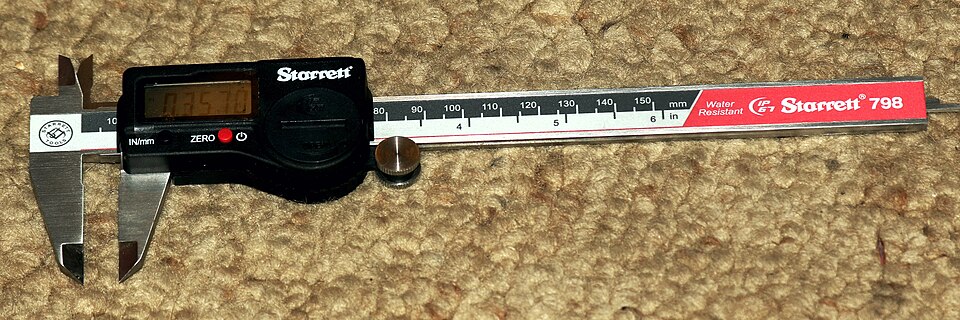
For a mould with several cavities making the same part, ask for a cavity map, separately identified samples and the individual readings. A single average can hide a tight fit in one cavity and a loose fit in another. If the cavities make different parts, use each part’s own drawing and revision.
Identify the samples at the press
Agree which half of the open mould the cavity map shows and mark a fixed reference such as the operator side. If the part carries no cavity mark, place it directly into a labelled tray at removal. Give each sample a cavity ID and a shot ID. Keep parts from the same shot together on the record so you can compare cavities under the same trial conditions.
Make each reading usable
Mark the critical feature on the drawing. For a snap-fit housing this might be the distance between its locating faces. Agree the datum, measurement method and time after moulding, especially if the housing flexes under the gauge. A useful report row reads “drawing revision / feature / cavity / shot / sample / actual value and unit / limits / decision”. Leave a missing reading open.
Decide what to recheck
If readings from one cavity fall outside the agreed limits, set its samples aside, confirm their identity and repeat the measurement with the agreed setup. If confirmed, record the affected cavity and retain the original results alongside the new trial. Decide with the buyer whether the correction also calls for samples from other cavities. At quotation, specify the features and sample count per cavity so both parties price the same inspection.
Discuss your project