Introduction: The Ubiquitous Art of Shaping
From the dashboard in your car to the precision components in medical devices, and the shell of the smartphone you use daily, these diverse plastic products all share a common origin—the injection mold. The injection mold is the heart of modern mass production. It acts like a precision stamp, repeatedly shaping plastic material into complex parts over successive molding cycles. This article will provide a comprehensive overview of the concept, working principle, and manufacturing process of an injection mold.
1. Core Concept: What is an Injection Mold?
Simply put, an injection mold is a customized precision tool, commonly made from steel or aluminum with an internal cavity designed to form the product while accounting for shrinkage and other process allowances. Under high heat and pressure, molten plastic is injected into this cavity. After cooling and solidifying, the mold opens, and a plastic part is born.
Think of it as a "Waffle Iron" for Plastic Parts:
The Mold is the top and bottom plates of the waffle iron.
The Cavity is the grid pattern on the plates.
The Plastic Resin is the batter you pour in.
The Heating & Pressurizing process forms the batter into a waffle.
Of course, a real injection mold is far more complex than a waffle iron, integrating precision mechanical engineering, thermodynamics, and materials science.
2. How Does It Work? A Step-by-Step Cycle
A typical injection molding cycle consists of six key steps:
Clamping: A powerful injection molding machine pushes the two halves of the mold (the moving half and the fixed half) together tightly, forming a sealed cavity.
Injection: Plastic pellets are heated until molten and then injected into the mold cavity under high pressure by a reciprocating screw.
Packing/Holding: After injection, pressure is maintained to pack more material into the cavity to compensate for material shrinkage as it cools, helping compensate for shrinkage and reduce sink marks.
Cooling: Coolant circulates through channels within the mold plates, solidifying the molten plastic into the final part shape.
Mold Opening: The two halves of the mold separate.
Ejection: An ejection system (pins, blades, etc.) pushes the solidified part out of the mold.
This process can be automated. A cycle can take anywhere from seconds to minutes, enabling extremely high production efficiency.
3. Key Components of an Injection Mold
A high-quality injection mold combines multiple precision components, but its core systems include:
Molding System: Includes the Cavity and Core, which directly form the shape of the product. This is the heart of the mold.
Gating System: This is the "channel" through which molten plastic enters the cavity, including the sprue, runners, and gate.
Ejection System: After the mold opens, this mechanism (ejector pins, plates, etc.) safely removes the part from the mold.
Cooling System: A network of channels machined into the mold plates. Circulating coolant precisely controls mold temperature, directly impacting production cycle time and part quality.
Venting System: Small channels that allow air to escape from the cavity as plastic fills it, preventing defects like burns and short shots.
Guidance System: Ensures the moving and fixed halves align perfectly when closing, guaranteeing part accuracy and consistency.
4. From Zero to One: The Mold Manufacturing Process
Manufacturing a qualified injection mold is a rigorous and complex multi-stage engineering project. The main stages are:
Design & Review: This is the most critical step. Our engineers work closely with you to perform Design for Manufacturability (DFM) analysis, optimizing the part design and determining the parting line, gate location, and ejection strategy to prevent potential issues at the source.
Material Procurement: Selecting the appropriate high-quality mold steel (e.g., P20, H13, S136) based on mold lifespan and product requirements.
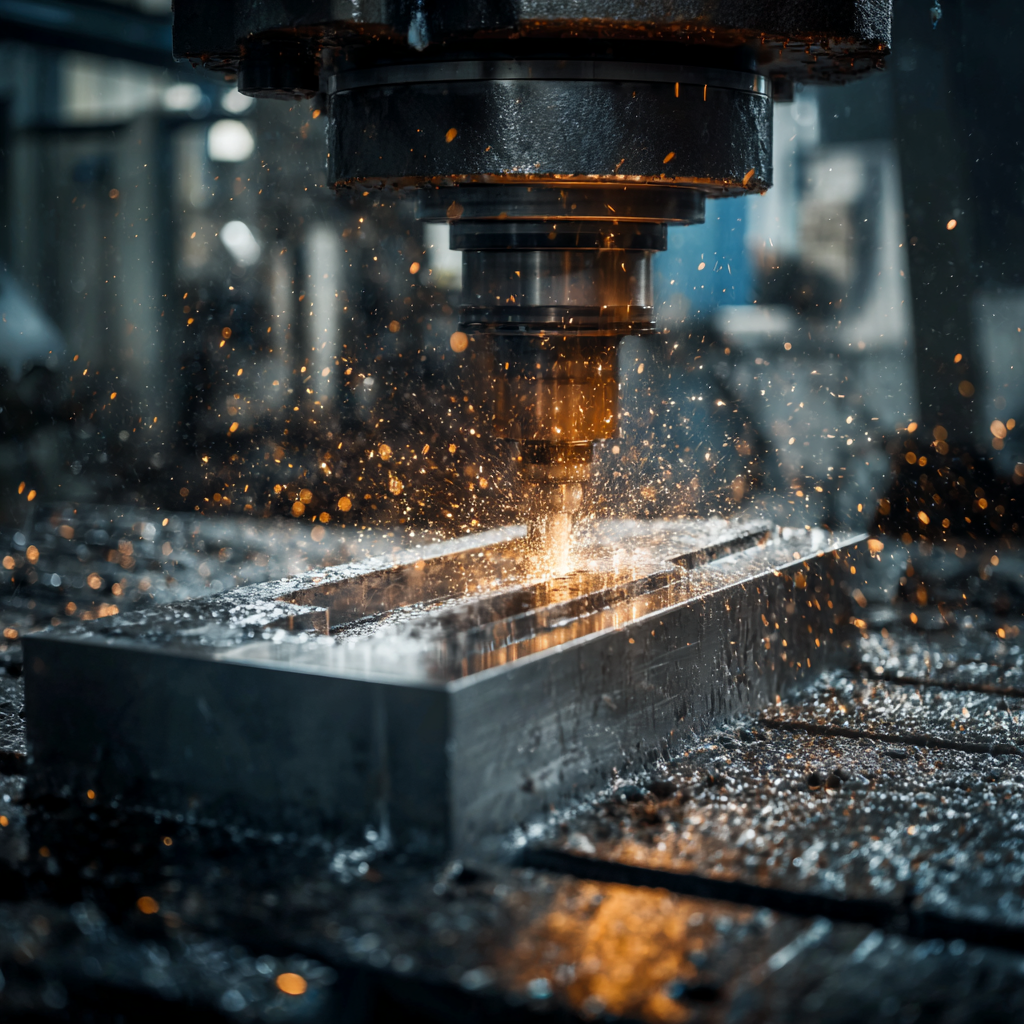
Precision Machining: Using advanced machinery like CNC Machining Centers, EDM (Electrical Discharge Machining), and Wire Cutting to shape the steel into the designed form. This is where a mold maker's core expertise is demonstrated.
Quality Control & Inspection: Throughout the machining process, components are meticulously measured using equipment like CMMs (Coordinate Measuring Machines) to ensure every dimension meets the design specifications.
Assembly & Testing (Trial Shot): All machined components are assembled into a complete mold. It is then tested on an actual injection molding machine to produce the first samples (T1 Samples). These samples are inspected, and the mold is adjusted until the parts meet all quality standards.
Discuss your tooling requirements
A tooling proposal should state its drawing revision, material assumptions, DFM scope and agreed trial acceptance criteria. Send this information to Jump Mould at sales@jumpmould.com so we can discuss your project. Performance and acceptance depend on the actual part, process and verification results.
Discuss your project